


Many parents ask a similar question: What is the most important thing I should focus on when raising my children? Is it discipline? Academic success? Good manners? Strong religious values?
All these matter. But beneath all these goals lies something even more fundamental: the quality of the parent–child relationship. Think of parenting like building a house. Rules, advice, discipline, and guidance are the walls and furniture. But the relationship is the foundation. If the foundation is weak, everything else becomes unstable. Children listen more, cooperate more, and learn better when they feel safe, respected, and emotionally connected to their parents. In other words, a strong relationship gives parents influence.
Why Relationship Matters More Than Control
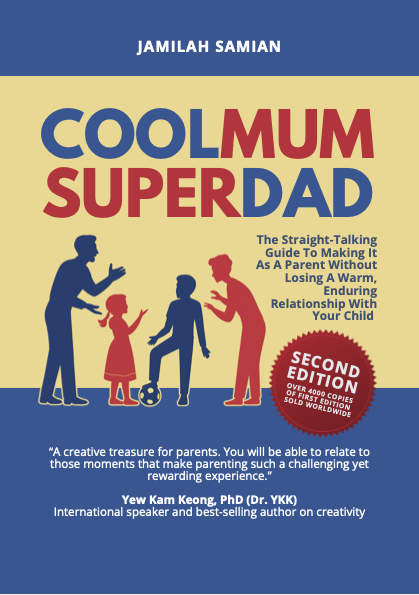
My book Cool Mum Super Dad urges you the parent to nurture a strong relationship with your child. Why? Research in developmental psychology consistently shows that children are more likely to accept guidance from parents they feel connected to. When the relationship is warm and respectful (not fuzzy or unclear), children trust their parents’ advice. They become more willing to share their problems. They accept correction without feeling attacked. Over time, they internalize values instead of merely obeying rules. When the relationship is weak, the opposite tends to happen. Children hide mistakes. Advice sounds like nagging. Discipline feels like punishment rather than guidance. Teenagers start turning to peers or the internet for answers. Connection creates influence.
The Relationship Must Grow With the Child
One mistake many parents make is using the same parenting approach throughout childhood. In reality, the relationship between parent and child must evolve as children grow. What works for a six-year-old will not work for a sixteen-year-old. What needs to be consistent, however, is a strong parent-child bond, no matter the child’s age.
Infancy/Early Childhood (Ages 0–6): Building Emotional Safety
During early childhood, children are learning whether their parents are a safe base in the world. A strong relationship at this stage is built through warm attention, play, physical affection, and calm guidance.
Imagine a four-year-old who spills milk on the floor. One response might be frustration: “Why are you always so careless!” Another response strengthens the relationship: “Oops, accidents happen. Let’s clean it together.” The second response teaches responsibility without damaging emotional safety. Young children learn best through connection before correction.
Bedtime provides another example. A parent who rushes children to bed with constant commands may get compliance, but the emotional connection may be missing. Spending just five minutes talking, reading a short story, or making du‘a (prayer) together creates a sense of closeness. These small moments become emotional memories children carry with them for years.
Primary School Age (Ages 6–12): Building Trust and Communication
At this stage, children begin forming their sense of identity and competence. Parents who maintain a strong relationship remain curious about their children’s world. For example, when a ten-year-old comes home from school looking upset, some parents immediately interrogate: “What happened? Did you fight? Did you do something wrong?”
A relationship-focused parent might begin differently: “You seem quiet today. Tough day at school?” That simple observation communicates care rather than suspicion. Children at this age also benefit from shared experiences. Cooking together in the kitchen, driving them to school and chatting along the way, sitting beside them while they finish homework, or playing a game together can strengthen connection.
These moments may appear small, but they build what we might call a relationship bank account. Later, when correction is needed, parents can draw from that account without damaging trust. Respectful listening is also important at this stage. When a child proudly shows a drawing or eagerly tells a long story about something that happened at school, parents who pause and listen send a powerful message: “You matter.”
Adolescence (Ages 13–18): From Authority to Influence
Teenagers often receive a bad reputation, but adolescence is not simply about rebellion. It is a transition in the parent–child relationship. Young people are becoming adults. They want independence but still need guidance. If the relationship has been nurtured during earlier years, teenagers are far more open to parental influence.
Imagine a sixteen-year-old asking permission to go out with friends. A parent with a weak relationship might respond only with control: “No. I don’t trust your friends.” This often leads to arguments or secrecy.
A relationship-based response may sound different: “Tell me about the plan. Who will be there?” The parent still sets boundaries, but the teenager feels heard and respected. Conversations remain open rather than confrontational.Teenagers are also more likely to discuss difficult topics such as peer pressure, relationships, or online influences when they believe their parents will listen without immediately judging them. Deep inside, a sixteen-year-old thinks, “I don’t mind my parents saying no. I just wish they would listen first.” That sentence captures the importance of relationship during adolescence.
Relationship Before Advice
Many parents feel frustrated because their children ignore their advice. Often the issue is not the advice itself but the relationship through which the advice travels. Imagine trying to speak through a weak phone signal. The message may be good, but the connection is poor.
Parenting works the same way. Advice works best when the relationship is strong. Before correcting behavior, it may help for parents to reflect on a few questions. Have I spent time connecting with my child recently? Does my child feel comfortable talking to me? Do they believe I understand them? When children feel understood, they are much more willing to accept guidance.
Small Daily Habits That Strengthen Relationships
Strong parent–child relationships are rarely built through dramatic gestures. They grow through small, consistent habits. Daily conversations matter. Even five minutes of undistracted conversation can strengthen connection between parent and child.
Physical affection also plays an important role. A hug, a gentle pat on the shoulder, or simply sitting close together communicates emotional safety. Listening without interruption encourages children to open up more. When parents give full attention, children feel valued.
Shared laughter is another powerful connector. Humor helps reduce tension and builds warmth across all ages. Spiritual moments can also deepen bonds. Praying together, side by side, or discussing a short verse from the Qur’an can create meaningful memories rooted in faith.
The Long-Term Impact
When the parent–child relationship is strong, parenting becomes less about controlling behavior and more about shaping character. Children raised in nurturing relationships often develop higher confidence, better emotional regulation, stronger moral values, and greater resilience. Most importantly, they grow up seeing their parents not merely as authority figures but as trusted guides. When that happens, something beautiful unfolds. Even as adults, they continue turning to their parents for wisdom. Successful parenting is not defined by perfect children. It is defined by a relationship strong enough that children, at every stage of life, still want their parents close beside them.

Featured image courtesy of RDNE Stock project